
🔥 When the Body Runs on Fumes: How Low Energy Drives Inflammation
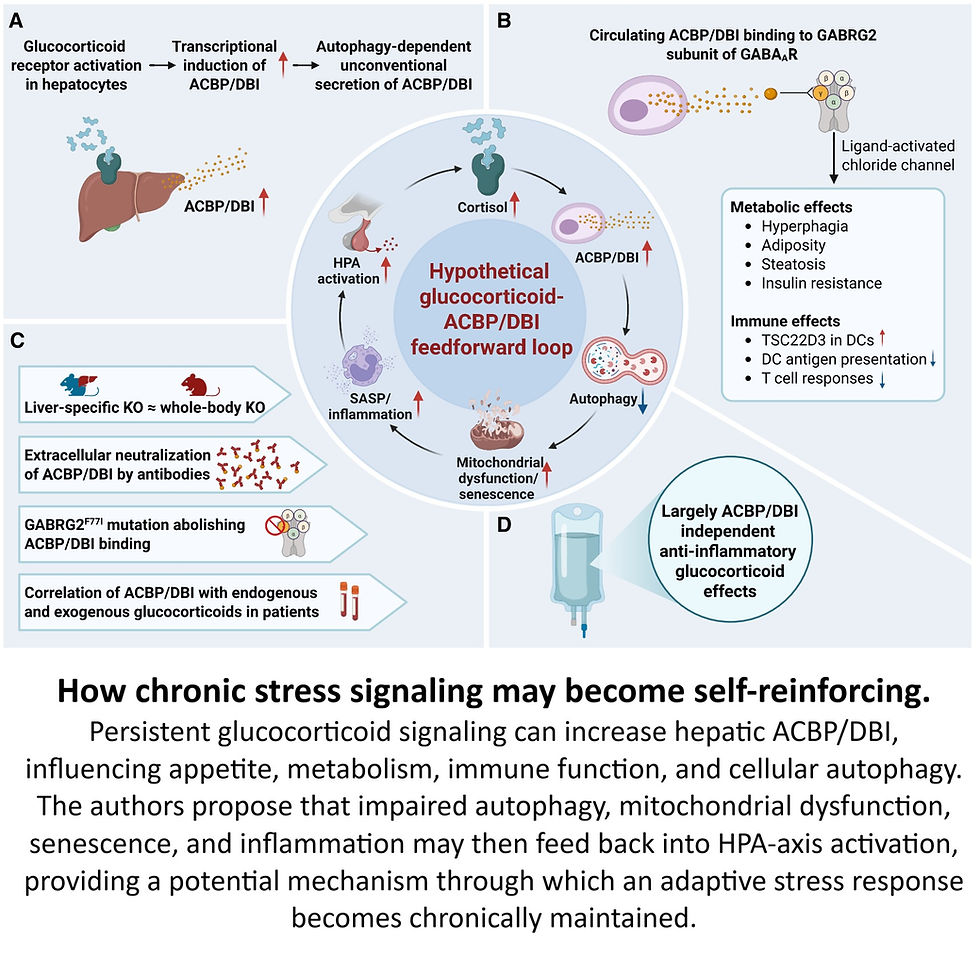
Why does chronic stress make you sick?
Why does fatigue seem to come with inflammation, pain, or brain fog—even when you’re not technically “sick”?
According to a growing body of research, the answer may be simpler—and more powerful—than we thought:
Your immune system runs on energy. And when energy is scarce, immunity changes.
A recent editorial published in Cellular & Molecular Immunology by Dr. Hongbo Chi explores this idea through the lens of immunometabolism—the science of how the immune system is fueled, fed, and shaped by metabolism.
In this post, we’ll break down what this means, why it matters, and how it connects to the ERM (Exposure-Related Malnutrition) model that’s changing how we understand chronic fatigue, inflammation, and disease risk.
🔋 What Is Immunometabolism?
Immunometabolism looks at the immune system not just as a defender, but as a metabolic engine. Like muscles and the brain, immune cells need energy to function. They also change their behavior depending on what kind of fuel is available.
When everything is working well:
The immune system has the nutrients it needs.
It responds to threats, then winds down and recovers.
But when energy is limited—due to stress, poor nutrition, inflammation, or chronic illness—immune cells shift their strategy.
⚙️ The Emergency Fuel Shift: From OxPhos to Glycolysis
In a well-fed state, immune cells use oxidative phosphorylation (OxPhos)—a slow, efficient process that takes place in mitochondria and produces a lot of energy per molecule of fuel.
But OxPhos requires:
Oxygen
Time
A full toolbox of micronutrients (like iron, B vitamins, CoQ10)
Under stress or scarcity, the immune system doesn’t have time or resources for all that.
Instead, it switches to glycolysis—a faster, dirtier process that burns through glucose quickly, doesn’t rely on oxygen, and requires fewer cofactors. It’s the same shift that happens in sprinters, cancer cells, and stressed-out neurons.
Dr. Chi’s editorial explains how this metabolic reprogramming fuels inflammation:
“Immune cells under metabolic stress shift to glycolysis, which supports proinflammatory responses and reshapes cell fate.”
In other words, the immune system becomes more reactive, less precise, and harder to shut down.
🔄 Energy Scarcity Becomes Inflammation
This glycolytic shift isn’t just a symptom—it becomes a driver of inflammation. Here’s how the cycle works:
Stress or nutrient loss reduces available energy.
Immune cells shift to glycolysis.
Glycolysis produces byproducts like lactate and reactive oxygen species (ROS).
These signals activate inflammatory pathways, like the inflammasome (e.g., NLRP3).
Chronic inflammation further depletes nutrients and energy.
It’s a bioenergetic trap—and one that explains why chronic stress, fatigue, and inflammation often appear together.
🧠 Where ERM Fits In
ERM—Exposure-Related Malnutrition—is a framework that helps connect these dots.
It suggests that many modern chronic conditions (like fatigue syndromes, autoimmune conditions, cognitive fog, and even depression) stem from subclinical energy depletion and trade-offs. The body is trying to survive in a state of chronic stress without enough metabolic support.
Dr. Chi’s editorial gives strong support to this model by explaining how limited energy availability affects:
Immune cell metabolism and behavior
The balance between inflammation and tolerance
Systemic processes like insulin resistance and hormonal balance
In ERM, we see:
Muscle wasting and poor recovery (because nutrients go to the brain and immune system)
Cognitive fog (due to shifts in brain energy use)
Chronic low-grade inflammation (from immune glycolysis)
All of which are adaptive responses to energy scarcity—until they’re not.
🌱 So What Can We Do?
If the immune system changes its behavior based on fuel supply, then restoring energy balance becomes a key strategy—not just for resilience, but for reversing chronic inflammation.
That means:
Replenishing micronutrients (B vitamins, magnesium, CoQ10, zinc)
Supporting mitochondrial function through movement, sleep, and anti-inflammatory nutrition
Avoiding constant immune “activation” from poor diet, chronic stress, or sleep debt
Using lifestyle and metabolic therapies (like fasting, circadian rhythm alignment, and metabolic reprogramming) to restore adaptive flexibility
💬 Final Thought
You don’t have to be starving to be under-fueled. And your immune system knows the difference.
The editorial by Dr. Chi is a powerful reminder that energy is information. When your cells don’t have enough of it—or can’t use it properly—they change their behavior in ways that affect every part of your health.
And that’s the heart of the ERM model:
Not that you’re broken.
But that you’re adapted.
And that with the right support, you can adapt back.
Chi, H. (2022). Immunometabolism at the intersection of metabolic signaling, cell fate, and systems immunology. Cellular & Molecular Immunology, 19(3), 299–302. https://doi.org/10.1038/s41423-022-00840-x
#Immunometabolism, #Glycolytic shift, #Metabolic reprogramming, #Inflammasome activation, #Energy stress and inflammation


Comments